


Thinking about the AIM30 cat supplement and where it fits in a safe kidney care plan
If you’ve come across the AIM30 cat supplement while researching kidney support for your cat, you’re likely trying to sort out a confusing mix of advice. Some pages present supplements as essential, others barely explain how they relate to prescription diets or medications. The short answer is this: AIM30 is a supplement, not a treatment for kidney disease, and whether it belongs in your cat’s care plan depends on your veterinarian’s assessment, your cat’s diagnosis, and how all parts of care fit together. Used thoughtfully, supplements may support overall health—but they should never replace proper diagnosis, monitoring, or prescribed therapy.
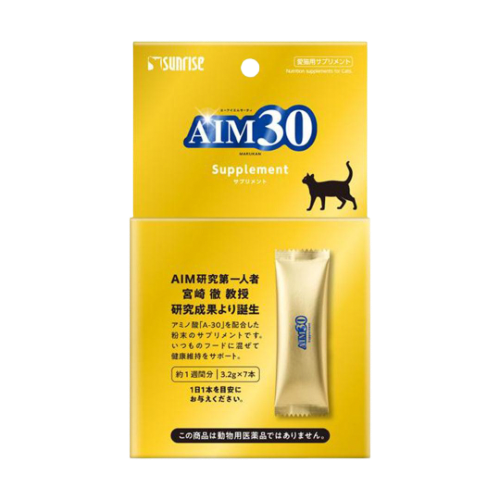
Is AIM30 a supplement, a medicine, or a kidney treatment?
AIM30 is generally categorized as a nutritional supplement designed to support cellular health and immune function in cats. It is not a prescription medication and is not approved as a treatment for chronic kidney disease (CKD) or other medical conditions.
That distinction matters. Supplements can play a supportive role, but they are not designed to control disease progression, manage bloodwork abnormalities, or replace therapies that require veterinary oversight. If your cat has confirmed or suspected kidney disease, decisions about adding any supplement—including AIM30—should be made alongside your veterinarian, especially if your cat is already on a renal diet or medication.
How AIM30 compares to other parts of kidney care
Kidney support in cats is rarely about a single product. It is usually a layered plan that may include diet, medications, hydration strategies, and monitoring. The table below helps clarify where a supplement like AIM30 fits.
A common mistake is assuming a supplement can “cover” what diet or medication does. In reality, each part addresses a different aspect of kidney health.
When a supplement might be discussed with your veterinarian
There are situations where a veterinarian may consider adding a supplement like AIM30 to a broader care plan. For example, in aging cats without diagnosed disease, or in cats with early-stage concerns where overall resilience and appetite are being monitored.
However, in cats with confirmed kidney disease, the conversation becomes more specific. Your veterinarian may evaluate:
-
Current lab values such as creatinine, SDMA, and phosphorus
-
Appetite, weight trends, and hydration status
-
Existing medications and potential interactions
-
Whether a supplement could interfere with or complement the current plan
This is why adding a supplement without guidance can create confusion rather than clarity, especially if symptoms change and it’s unclear what caused the shift.
What to check before buying AIM30 or any cat supplement
Not all supplement listings provide the details you actually need. Before purchasing, it helps to slow down and evaluate a few key points:
-
Ingredient transparency: Look for clearly listed active and inactive ingredients rather than vague “proprietary blends.”
-
Intended use: Confirm whether the product is positioned for general wellness or a specific condition.
-
Compatibility: Consider your cat’s current medications, diet, and diagnosed conditions.
-
Manufacturer clarity: Reliable products typically provide traceable manufacturing or quality information.
-
Veterinary alignment: Make sure the product can be discussed with your vet, rather than marketed as a replacement for care.
If you’re still comparing options, browsing broader cat health products categories can help you understand how supplements are grouped alongside other types of care.
A realistic limitation that many supplement pages skip
One of the biggest gaps in supplement marketing is the lack of discussion about expectations. Even when a supplement is well-tolerated, it may not produce visible or measurable changes—especially in chronic conditions like kidney disease.
A common scenario: a cat owner starts a supplement hoping for improved energy or appetite, but lab values remain unchanged and subtle symptoms continue. Without veterinary guidance, it becomes difficult to know whether to continue, stop, or adjust the plan.
This does not mean supplements are useless. It means they are one piece of a larger puzzle, and their impact is often subtle, indirect, or dependent on the overall care strategy.
Where HERO Veterinary fits into responsible supplement research
When you are not ready to make a decision—or want to avoid buying blindly—platforms like HERO Veterinary can be useful as a structured research starting point. Rather than acting as a diagnostic source, it helps organize categories such as kidney support, supplements, and chronic-care products in a way that aligns with real veterinary care pathways.
This is particularly helpful if you are trying to compare AIM30 with other options or understand how supplements fit alongside diet and medication. Exploring curated pet supplements categories can make it easier to prepare informed questions for your veterinarian instead of relying on isolated product claims.
When symptoms should come before any supplement decision
If your cat is showing signs that could indicate kidney or systemic illness, it is more important to seek veterinary evaluation than to start a supplement.
Watch for signs such as reduced appetite, weight loss, increased thirst or urination, vomiting, lethargy, or changes in grooming. More urgent symptoms—such as severe vomiting, collapse, or refusal to eat for more than a day—require prompt veterinary attention.
Supplements like AIM30 may be discussed later, but they should not delay diagnosis or treatment.
Frequently Asked Questions
Is AIM30 a supplement for cats?
Yes, AIM30 is considered a nutritional supplement intended to support general health. It is not a prescription medication and is not classified as a treatment for kidney disease or other medical conditions.
Can AIM30 replace kidney medication or a prescription diet?
No, AIM30 cannot replace medications or prescription kidney diets. Those are designed to manage specific aspects of disease and require veterinary guidance. Supplements may be added to a plan but do not substitute for core treatment.
Should I ask my vet before giving AIM30 to my cat?
Yes, especially if your cat is older, has a diagnosed condition, or is taking other medications. A veterinarian can help determine whether the supplement is appropriate and safe in your cat’s specific situation.
What should I check before buying a cat supplement like AIM30?
Focus on ingredient transparency, intended use, compatibility with your cat’s current care plan, and whether the product can be discussed openly with your veterinarian. Avoid products that position themselves as replacements for medical care.
Is AIM30 useful for cats without kidney disease?
It may be discussed for general wellness in some cases, but its role depends on your cat’s health status. Even for healthy cats, it is reasonable to consult a veterinarian before adding long-term supplements.