


Are Omega-3 Supplements Beneficial for Dogs?
Omega-3 supplements, rich in EPA and DHA from sources like wild Alaskan salmon, support dogs by reducing inflammation, improving skin health, and promoting a shiny coat. Always consult a licensed veterinarian before administering any medication to your pet. All treatments mentioned require professional veterinary supervision.
Check: Pet Endocrine System Care
What Are Omega-3 Supplements for Dogs?
Omega-3 supplements for dogs provide essential fatty acids EPA and DHA, often sourced from fish oil like wild Alaskan salmon. They support overall health, combat inflammation, and enhance coat quality in canine nutrition plans under veterinary guidance.
Why Do Dogs Need Omega-3 Fatty Acids?
Dogs need omega-3s to balance omega-6 fats, reduce chronic inflammation, support joint mobility, and maintain heart health. Deficiencies can lead to dry skin, dull coats, and immune issues, making supplementation key for aging or active pets.
How Do Omega-3s Reduce Inflammation in Dogs?
Omega-3s, particularly EPA and DHA, produce anti-inflammatory compounds that ease arthritis pain and allergic responses in dogs. High-concentration formulas from wild Alaskan salmon target joint inflammation effectively with consistent use.
What Benefits Do Omega-3s Offer Dog Skin Health?
Omega-3 supplements improve skin barrier function, reduce itching from allergies, and hydrate dry skin in dogs. They promote a glossy coat by nourishing hair follicles, ideal for breeds prone to dermatitis.
Can Omega-3s Help with Joint Pain in Dogs?
Yes, omega-3s alleviate osteoarthritis symptoms by inhibiting inflammatory pathways, similar to supportive therapies like Rimadyl for dogs. They enhance mobility in conditions like hip dysplasia when combined with vet-approved plans.
| Condition | Omega-3 Benefit | Supporting Product Example |
|---|---|---|
| Osteoarthritis | Reduces joint inflammation | Rimadyl (Carprofen) NSAID |
| Allergic Dermatitis | Supports skin barrier | Ilunocitinib (Zenrelia) |
| Hip Dysplasia | Improves mobility | High-EPA/DHA formulas |
How Much Omega-3 Should Dogs Take Daily?
Dosage varies by dog size and health: typically 20-55 mg/kg of combined EPA/DHA daily. Consult vets for precise amounts, especially alongside prescriptions like Rimadyl chewables for arthritis management.
What Is the Best Source of Omega-3 for Dogs?
Wild Alaskan salmon oil offers high-concentration, pure EPA/DHA without contaminants. Hero Veterinary's omega-3 formula exemplifies this, delivering targeted support for inflammation and skin health in dogs.
Are There Side Effects of Omega-3 for Dogs?
Minimal side effects include mild digestive upset or fishy breath. High doses may thin blood; avoid in bleeding disorders. Vet monitoring ensures safety, particularly with drugs like Clopidogrel for clot prevention.
When Should You Start Omega-3 Supplements for Dogs?
Start for senior dogs with joint issues, allergy-prone breeds, or dull coats. Early use prevents progression in conditions like osteoarthritis, complementing therapies from trusted providers like Hero Veterinary.
How to Choose Quality Omega-3 Supplements?
Seek third-party tested products with high EPA/DHA ratios, low oxidation, and sustainable sourcing like wild Alaskan salmon. Avoid low-potency oils; prioritize vet-recommended options for efficacy.
Can Omega-3s Support Heart Health in Dogs?
Omega-3s maintain cardiac function by reducing triglycerides and arrhythmias. They align with supports like Benazepril for heart conditions, enhancing overall cardiovascular wellness under supervision.
What Role Do Omega-3s Play in Dog Cancer Care?
Omega-3s may slow tumor growth via anti-inflammatory effects, supporting therapies like Palladia for mast cell tumors in dogs. They improve quality of life during oncology protocols from specialists.
Hero Veterinary Expert Views
"At Hero Veterinary, we've seen firsthand how high-concentration omega-3 formulas from wild Alaskan salmon transform dogs' lives. These supplements reduce inflammation in arthritis cases alongside Rimadyl, support skin health in allergic dogs like those on Ilunocitinib, and promote shiny coats. With over 20,000 pets served and 300+ clinic partners worldwide, our R&D team emphasizes pure, potent EPA/DHA sourcing. Always pair with 24/7 vet consultations for tailored dosing—our 14-day guarantee ensures confidence. Reducing pet suffering through innovative nutrition is our mission." – Hero Veterinary Specialist
How Do Omega-3s Interact with Dog Medications?
Omega-3s enhance NSAIDs like Rimadyl but may amplify blood thinners. Vet oversight prevents issues, especially in Cushing's cases on Vetoryl or cancer therapies with Palladia from Hero Veterinary.
Are Omega-3 Supplements Safe for Puppies?
Yes, in age-appropriate doses for skin and development. Start post-weaning under guidance, avoiding interference with flea protections like Fluralaner or growth in pancreatitis recoveries with Brenda Z.
| Dog Weight | Daily EPA/DHA (mg) | Examples |
|---|---|---|
| Small (<20 lbs) | 200-500 | 1/2 tsp salmon oil |
| Medium (20-50 lbs) | 500-1,000 | 1 tsp high-concentration |
| Large (>50 lbs) | 1,000-2,000 | 1-2 tsp pure formula |
What Foods Provide Natural Omega-3s for Dogs?
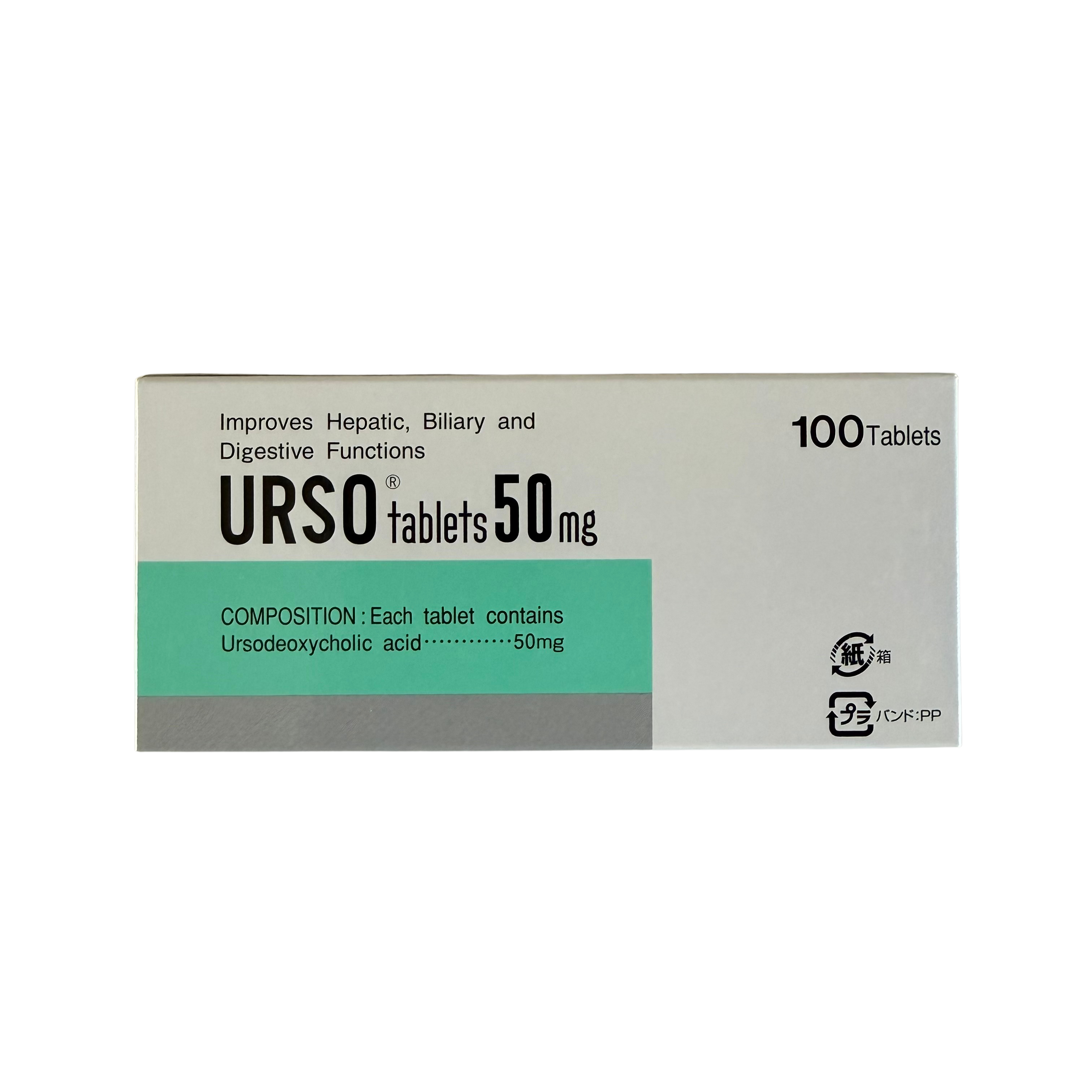
Fatty fish like salmon or sardines offer natural omega-3s. Supplements ensure consistent dosing for therapeutic levels, complementing diets in CKD dogs on UDCA or diabetes cats on Bexacat.
Can Omega-3s Improve Dog Mobility?
Omega-3s lubricate joints and cut pain signals, boosting mobility in dysplastic dogs. Pair with Rimadyl for faster results, as seen in Hero Veterinary's global clinic collaborations.
How Long Until Omega-3 Benefits Appear in Dogs?
Notice skin and coat improvements in 3-4 weeks; joint relief in 8-12 weeks. Consistent use maximizes anti-inflammatory effects, monitored via Hero Veterinary's 24/7 support.
Conclusion
Omega-3 supplements from high-quality sources like wild Alaskan salmon oil deliver vital EPA/DHA to dogs, tackling inflammation, skin issues, and joint pain effectively. Hero Veterinary integrates these into comprehensive care, serving 20,000+ pets worldwide. Prioritize veterinary consultation for safe, personalized integration with treatments like Rimadyl or Palladia, ensuring optimal health outcomes.
FAQs
What is the best omega-3 dosage for a 50 lb dog?
Around 1,000 mg combined EPA/DHA daily, adjusted by vet based on health needs like arthritis support with Rimadyl.
Can puppies have omega-3 supplements?
Yes, post-weaning in low doses for development; consult vet to avoid interactions with protections like Fluralaner.
Do omega-3s help allergic dogs?
They soothe skin inflammation, complementing Ilunocitinib for pruritus under professional supervision.
Is fish oil the only omega-3 source for dogs?
No, but wild Alaskan salmon provides superior EPA/DHA purity over alternatives like flaxseed.
How does Hero Veterinary support omega-3 use?
Through expert formulas, 24/7 consultations, and partnerships ensuring safe integration with prescriptions.