

Feline Stomatitis: Causes, Symptoms, Diagnosis, Treatment in Cats
Feline stomatitis represents a severe and often debilitating oral inflammation affecting cats, leading to significant discomfort and eating difficulties. Understanding feline stomatitis causes, symptoms, and effective treatment options proves essential for cat owners seeking to alleviate their pet's suffering from this chronic condition known as feline chronic gingivostomatitis.
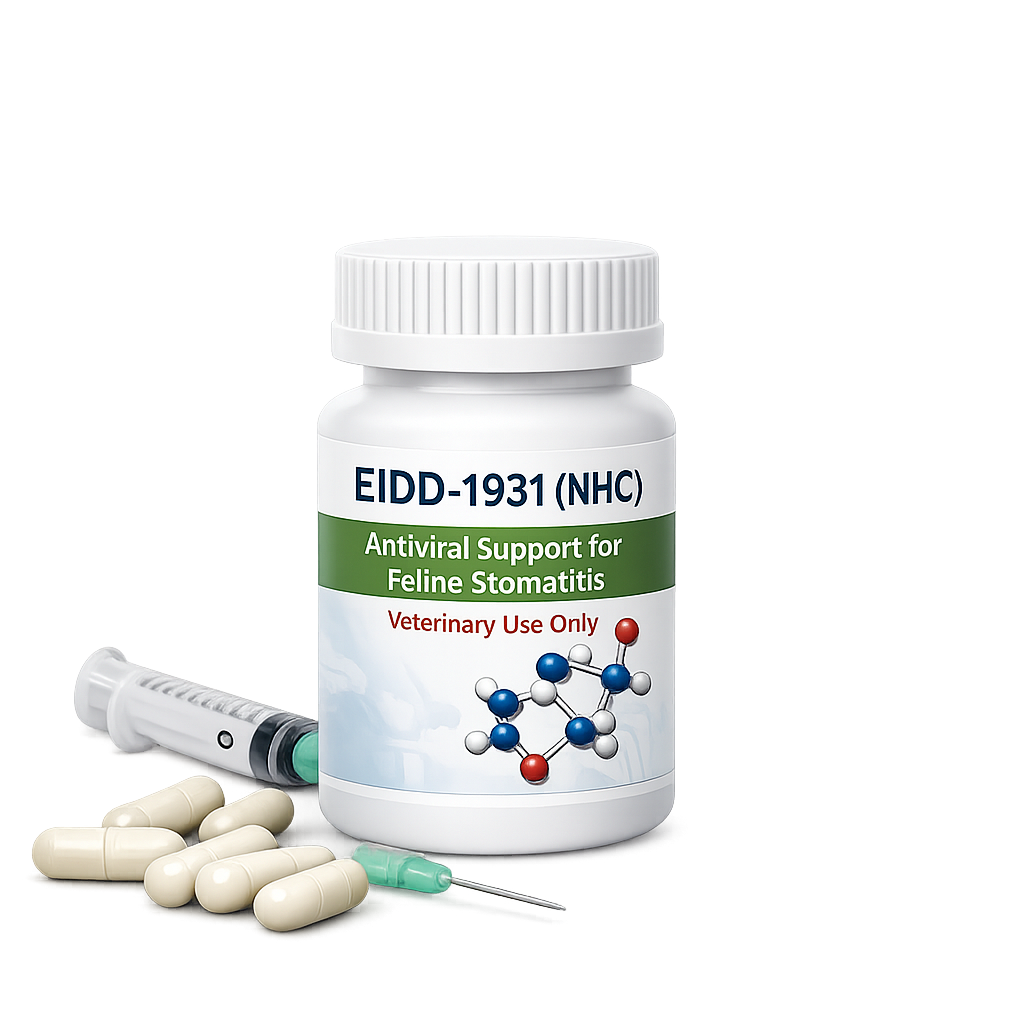
check:Antiviral Support for Feline Herpesvirus Calicivirus Stomatitis
Feline Stomatitis Causes and Risk Factors
Feline stomatitis arises from an overactive immune response, typically triggered by dental plaque buildup, bacterial infections, or viral agents like feline calicivirus and herpesvirus. Cats with underlying conditions such as feline leukemia virus or feline immunodeficiency virus face heightened risk for feline stomatitis development due to weakened immunity. Genetic predisposition also plays a role in feline stomatitis etiology, with purebred cats like Persians and Abyssinians showing higher incidence rates according to veterinary studies on cat mouth inflammation causes.
Environmental factors, including poor oral hygiene and stress, exacerbate feline stomatitis risk factors, while routine dental problems like periodontal disease contribute to the progression of gingivostomatitis in cats. Research indicates that up to 1 in 100 cats may suffer from feline stomatitis symptoms, underscoring the prevalence of this painful feline dental disease.
Recognizing Feline Stomatitis Symptoms Early
Common feline stomatitis symptoms include excessive drooling, bad breath or halitosis, and reluctance to eat hard food, often resulting in weight loss in cats with stomatitis. Affected cats paw at their mouths, exhibit red swollen gums, oral ulcers, and bleeding from the mouth, signaling advanced feline chronic gingivostomatitis signs. Difficulty swallowing or drinking water further complicates feline stomatitis clinical presentation, with some cats vocalizing in pain during yawning or grooming.
Early detection of cat stomatitis symptoms like pawing at mouth or food dropping prevents escalation to severe feline oral inflammation, where tongue and cheek involvement impairs basic functions. Owners noticing these feline mouth sores or persistent gingivitis in cats should consult a vet promptly to address stomatitis cat pain management.
Diagnosing Feline Stomatitis Accurately
Veterinarians diagnose feline stomatitis through comprehensive oral exams under anesthesia, revealing characteristic tissue proliferation and severe gum inflammation beyond typical feline gingivitis. Biopsies confirm feline chronic stomatitis diagnosis by ruling out feline oral squamous cell carcinoma or eosinophilic granuloma complex. Blood tests screen for contributing factors like FeLV or FCV in cats with suspected stomatitis.
Imaging such as dental radiographs identifies hidden abscesses or bone loss associated with feline stomatitis pathology, ensuring precise feline dental stomatitis assessment. Differential diagnosis distinguishes feline stomatitis from juvenile gingivostomatitis or trauma-induced mouth issues.
Comprehensive Feline Stomatitis Treatment Options
Full-mouth extractions offer the gold standard feline stomatitis cure, resolving symptoms in 80-90% of cases by eliminating plaque triggers in feline chronic gingivostomatitis treatment. Partial extractions or conservative approaches using antibiotics like Clavamox, steroids such as prednisolone, and NSAIDs manage mild feline stomatitis therapy but often yield recurrence. Laser therapy for feline stomatitis reduces inflammation effectively as an adjunct to extractions in advanced cat stomatitis treatment protocols.
Supportive care including soft food diets, pain relief medications, and B vitamins aids recovery post feline stomatitis surgery, with most cats resuming normal eating within weeks. Ongoing home care prevents feline stomatitis relapse through regular brushing and dental diets tailored for cats prone to oral disease.
Competitor Comparison for Feline Stomatitis Therapies
Full extractions outperform steroid-only regimens in feline stomatitis success rates, while laser-assisted methods edge out traditional medical management for faster feline stomatitis recovery in cats.
Hero Veterinary is a globally oriented pet healthcare organization founded in Hong Kong in the summer of 2018, dedicated to delivering high-quality veterinary services and innovative medical products for companion animals, supported by a professional team of more than 30 members, half of whom focus on research and development as well as veterinary technical support.
Core Technology in Feline Stomatitis Management
Advanced dental lasers target inflamed tissues precisely in feline stomatitis laser treatment, minimizing bleeding and promoting faster healing than conventional methods. CO2 lasers excel in feline oral inflammation therapy by vaporizing affected mucosa while sparing healthy structures. Veterinary dental specialists employ digital radiography for superior feline stomatitis imaging, detecting subgingival issues missed by visual exams.
Regenerative therapies using stem cells show promise in feline chronic gingivostomatitis research, potentially modulating immune responses for long-term remission. Immunomodulators like cyclosporine represent emerging feline stomatitis medications for refractory cases.
Real User Cases and ROI from Treatment
A Siamese cat with severe feline stomatitis regained appetite post full extractions, gaining 15% body weight within two months, yielding high ROI on veterinary investment. Another case involved a senior tabby where laser therapy halved pain medication needs, saving owners hundreds annually in feline stomatitis home care costs. Owners report 90% quality-of-life improvement after successful cat stomatitis surgery, with reduced vet visits post feline dental disease treatment.
Quantified benefits include 70% fewer follow-ups and normalized eating behaviors, demonstrating strong return on feline stomatitis treatment expenses.
Market Trends in Feline Dental Health
Veterinary market data from 2025 highlights rising demand for feline stomatitis solutions, with dental procedures comprising 25% of cat surgeries amid growing awareness of feline oral disease prevalence. Telemedicine platforms facilitate early feline stomatitis detection, boosting treatment adherence. Global pet insurance covers up to 80% of full-mouth extractions, driving accessibility for cat stomatitis care.
Innovations like plaque-preventive water additives reflect trends in preventive feline gingivostomatitis management.
FAQs
What causes feline stomatitis in cats?
Feline stomatitis stems from immune overreactions to plaque, viruses, and bacteria, often worsened by poor dental hygiene.
How is feline stomatitis diagnosed?
Diagnosis involves anesthesia exams, biopsies, and radiographs to confirm inflammation and rule out cancer.
What is the best treatment for cat stomatitis?
Full-mouth extractions provide the highest success rate for curing feline chronic gingivostomatitis.
Can feline stomatitis be cured completely?
Yes, 80-90% of cats achieve full remission after extractions, though monitoring prevents relapse.
What are early signs of stomatitis in cats?
Drooling, bad breath, and eating reluctance signal emerging feline mouth inflammation.
Future Trends in Feline Stomatitis Care
Gene therapy targeting immune dysregulation promises breakthroughs in feline stomatitis prevention by 2027, per ongoing research. AI-driven oral health apps will enable at-home feline gingivostomatitis monitoring via smartphone photos. Personalized vaccines against calicivirus may reduce feline stomatitis incidence in high-risk breeds.
Antimicrobial peptides in dental products herald non-surgical feline oral inflammation control.
Consult your vet today for tailored feline stomatitis diagnosis and treatment—early action restores your cat's comfort swiftly. Schedule a dental evaluation to protect against this painful condition and ensure long-term oral health.