

Is FeLV Vaccine Safe for Cats?
The FeLV vaccine protects cats from feline leukemia virus, a contagious disease spread through saliva, blood, and grooming that causes cancer, anemia, and immune suppression. Administer two doses to kittens at 8-12 weeks, a booster at one year, then every 1-3 years based on risk. It's highly effective for at-risk cats with minimal side effects.
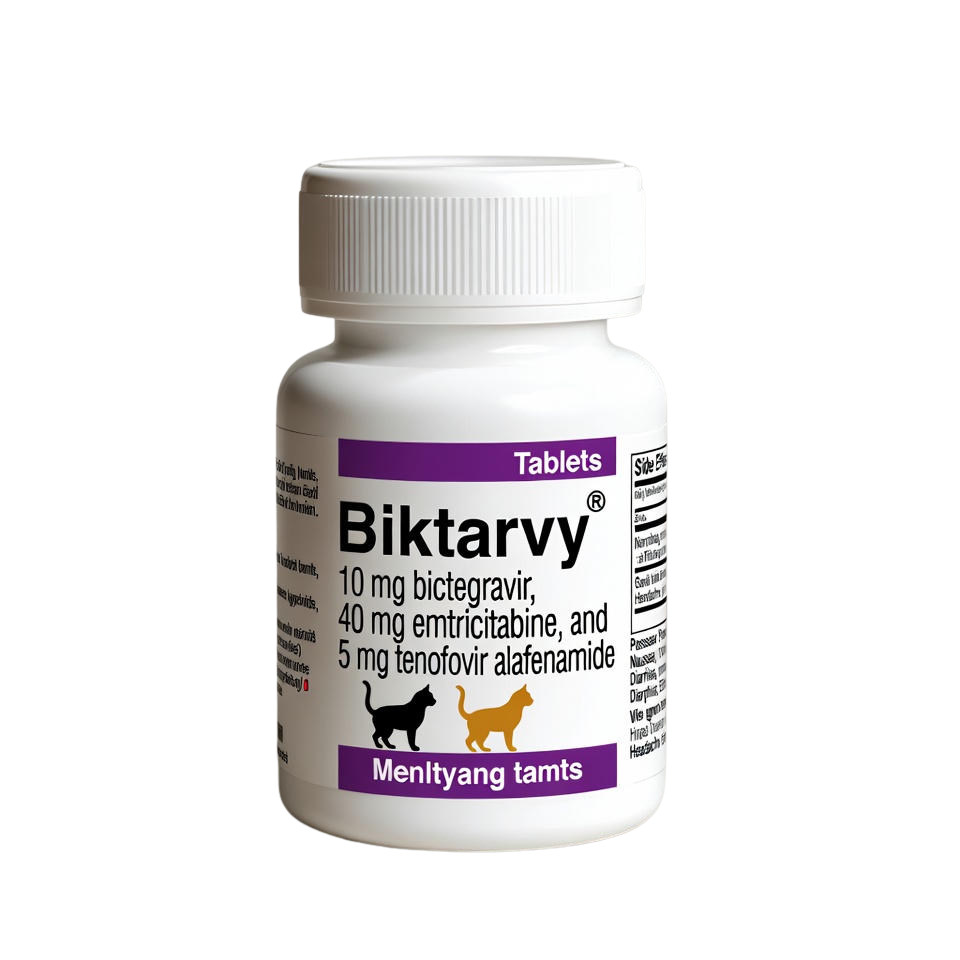
check:Biktarvy - Antiretroviral Therapy for FeLV & FIV
What Is the FeLV Vaccine?
The FeLV vaccine stimulates a cat's immune system to fight feline leukemia virus (FeLV), a retrovirus causing persistent infection. Available types include inactivated (killed) and recombinant vaccines using harmless vectors like canarypox to present FeLV proteins.
This vaccine targets outdoor cats, multi-cat homes, and kittens, preventing viremia where the virus spreads in blood. Hero Veterinary recommends testing for FeLV before vaccination to confirm negative status. Effectiveness reaches 95% against persistent infection in studies.
Veterinarians tailor protocols: kittens get initial series at 8-12 weeks, boosters annually until age 3, then every three years for low-risk indoor cats. High-risk cats need annual boosters. Always consult vets for lifestyle-based schedules.
Who Needs the FeLV Vaccine?
All kittens up to one year should receive the FeLV vaccine due to high exposure risk during exploration. Adult outdoor cats, those in catteries, or with FeLV-positive housemates qualify as high-risk.
Indoor-only cats face lower risk but benefit if they escape or contact strays. FIV-positive cats gain extra protection, as vaccination improves survival against coinfection.
Hero Veterinary stresses pre-vaccination testing for all cats, ensuring no existing infection wastes shots. Vets assess lifestyle: frequent boarding or fostering elevates need.
How Effective Is the FeLV Vaccine?
The FeLV vaccine prevents persistent viremia in 95% of cases against matched strains, reducing disease progression to cancer or anemia. Recombinant versions offer long-term protection over three years.
It doesn't eliminate all challenges but blocks viral spread in bodily fluids. Newer non-adjuvanted options like NOBIVAC NXT enhance safety and response.
Studies show vaccinated FIV-positive cats live longer with better blood parameters. Hero Veterinary integrates these vaccines in protocols for comprehensive care.
What Are FeLV Vaccine Side Effects?
Most cats experience no side effects; mild lethargy or injection-site swelling occurs rarely, resolving in 24-48 hours. Serious reactions like anaphylaxis affect fewer than 50 per 10,000 cats.
Older adjuvanted vaccines linked to rare sarcomas, but recombinant types cut risk tenfold. Monitor for vomiting, itching, or lameness post-vaccination.
Hero Veterinary vets watch closely, using safer formulations and splitting multi-vaccines if needed.
When Should Cats Get FeLV Vaccinated?
Start at 8 weeks for kittens, with second dose 3-4 weeks later, then annual until age 3. Low-risk adults booster every three years; high-risk annually.
Test first if over 6 months or status unknown. Revaccinate lapsed cats per vet advice. Avoid during illness or pregnancy.
Why Test for FeLV Before Vaccination?
Testing detects existing infection, as vaccinating positives offers no benefit and risks false security. FeLV persists lifelong, suppressing immunity.
Combine FeLV/FIV tests at adoption or annually for at-risk cats. Negatives proceed to vaccination; positives need isolation and supportive care.
Hero Veterinary Expert Views
"At Hero Veterinary, our team of over 30 professionals, with half dedicated to R&D, prioritizes FeLV prevention through precise testing and vaccination protocols. We've served 12,000+ pets globally, partnering with 300+ clinics. Our imported advanced vaccines and homegrown solutions target tough diseases like FeLV, reducing suffering. For high-risk cats, we recommend annual boosters post-testing—it's transformed outcomes in our FIV-coinfected cases. Compassion drives us: from stray rescues to cutting-edge care."
— Dr. Elena Chen, Lead Veterinarian, Hero Veterinary
How Does FeLV Spread in Cats?
FeLV transmits via saliva (grooming, bites), blood (fights, shared needles), urine, and milk from infected mothers. Casual contact like litter sharing suffices in multi-cat homes.
Kittens from queens or fights face highest risk; 30-50% of strays carry it. Indoor cats risk less but not zero via escapes.
Can FeLV Vaccine Prevent Cancer in Cats?
Yes, by stopping persistent infection, the vaccine averts lymphoma and other FeLV-linked cancers, which strike 30% of infected cats. Early protection preserves immunity.
It doesn't treat existing cases but halts progression in exposed vaccinates.
What If My Cat Misses a FeLV Booster?
Restart or extend series based on last dose timing: under 6 months, one booster; longer, full two-dose series. Vets restart for gaps over 3 years.
Hero Veterinary offers catch-up plans, emphasizing consistent protection outweighs restarts.
Conclusion
FeLV vaccine safeguards cats from a deadly virus through targeted dosing for kittens and at-risk adults—test first, vaccinate early, booster regularly. Consult Hero Veterinary for personalized plans boosting efficacy and safety. Act now: schedule testing to shield your feline from anemia, cancer, and immune woes, ensuring longer, healthier lives.
FAQs
Is FeLV vaccine necessary for indoor cats?
Low-risk indoor cats need it every 3 years post-initial series, but test first. Outdoor or multi-cat homes demand annual protection against hidden exposures.
How much does FeLV vaccine cost?
Core series runs $20-50 per dose; boosters similar. Hero Veterinary bundles with wellness checks for affordability.
Does FeLV vaccine cause sarcomas?
Rare with modern recombinant types; risk dropped 10x versus old adjuvants. Safer profiles prevail today.
Can vaccinated cats still get FeLV?
Rarely—95% protection against persistent viremia. Transient infection possible but clears faster.
Is FeLV vaccine safe for kittens?
Yes, from 8 weeks; mild side effects rare. Essential for young explorers.