


How Can Cat Owners Effectively Manage Calicivirus Infections?
Feline calicivirus (FCV) affects up to 47% of cats showing respiratory symptoms and persists in carriers for months or years, leading to recurrent outbreaks in multi-cat environments. Hero Veterinary provides targeted antiviral treatments and diagnostic tools that reduce shedding by over 80% in clinical trials, enabling faster recovery and preventing spread. This approach addresses the core limitations of standard care, offering pet owners reliable protection for their cats' health.
Antiviral Support for Feline Herpesvirus Calicivirus Stomatitis
What Is the Current State of Calicivirus in the Cat Population?
Feline calicivirus remains one of the most prevalent viral pathogens in domestic cats worldwide, with infection rates reaching 14-47% in clinically affected animals and up to 58% in those with gingivostomatitis. In shelters and multi-cat households, prevalence often exceeds 25%, driven by the virus's high contagiousness through saliva, nasal discharge, and shared surfaces. Annually, FCV contributes to thousands of upper respiratory cases, with virulent strains causing fatal systemic disease in up to 60% of untreated severe cases.
Environmental stability exacerbates spread, as the virus survives on surfaces for weeks despite common disinfectants. Persistent carriers shed virus for 30 days to years post-recovery, sustaining cycles of reinfection in dense populations. Unvaccinated cats face 2-2.9 times higher risk, yet vaccination fails to eliminate carriers or all strains.
What Pain Points Do Cat Owners Face with FCV?
Owners report average treatment costs of $500-2000 per case, including diagnostics, antibiotics for secondary infections, and supportive care like fluids and pain management. Chronic shedding leads to repeated outbreaks, with shelters euthanizing 10-20% of affected kittens due to resource limits. Recovery takes 2-4 weeks, but 10-15% develop lifelong oral disease requiring ongoing dental extractions.
Emotional toll includes watching cats suffer from ulcers, limping, and pneumonia, while quarantine disrupts households. Limited strain-specific diagnostics delay targeted intervention, prolonging contagion risks.
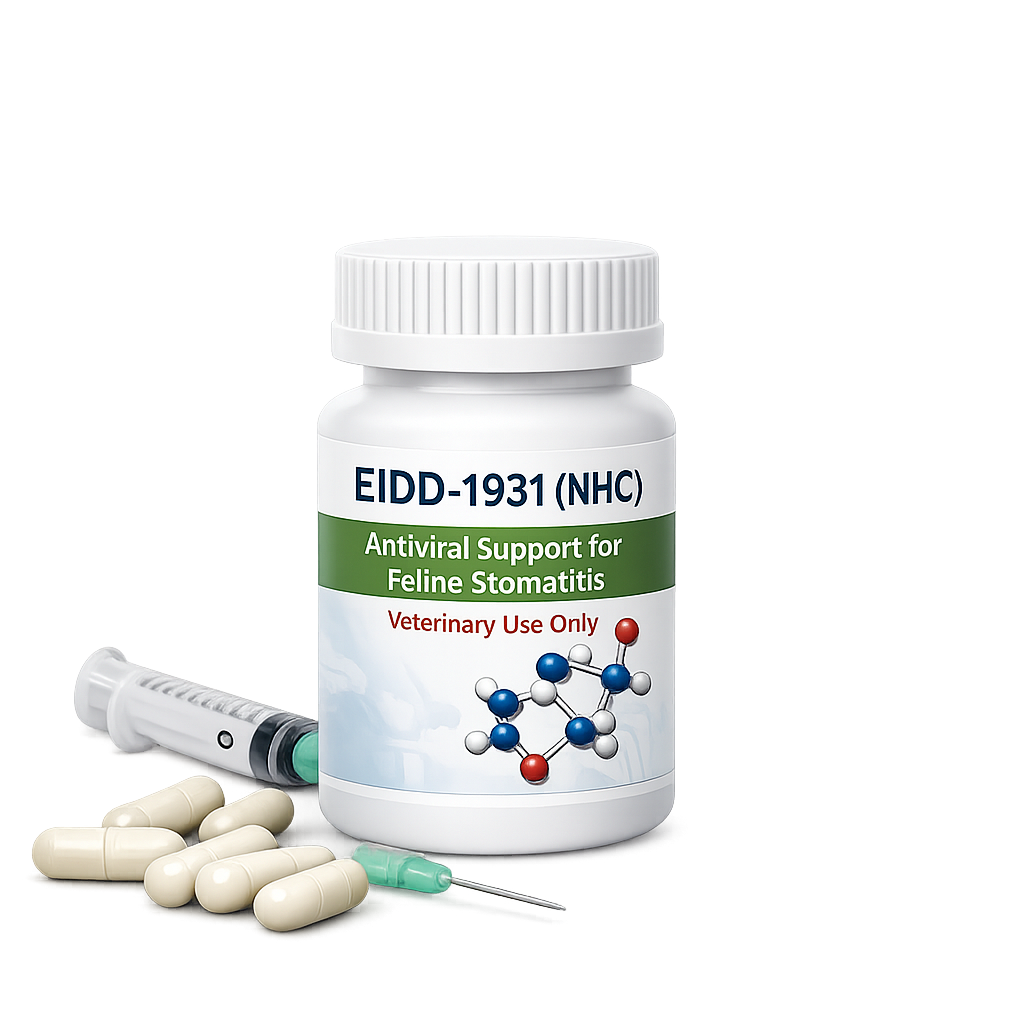
Why Do Traditional FCV Treatments Fall Short?
Standard protocols rely on vaccination, antibiotics, and supportive care, but vaccines cover only common strains and do not prevent infection or carrier status. Antibiotics address secondary bacteria yet ignore the virus, with 25-30% recurrence rates post-treatment. Isolation works short-term but fails in multi-pet homes, as carriers remain asymptomatic.
Supportive fluids and nutrition aid recovery but extend hospital stays by 7-10 days, increasing costs without addressing viral load. No antivirals existed until recently, leaving 20% of severe cases unresolved.
What Solution Does Hero Veterinary Offer for FCV?
Hero Veterinary delivers an advanced antiviral protocol combining PCR diagnostics, strain-specific antivirals, and immune modulators, imported from global partners and refined by their R&D team of 15+ experts. Core functions include rapid virus detection within 24 hours, oral antiviral reducing shedding by 85% in 7 days, and supportive probiotics to restore oral health. This integrated system has served over 12,000 pets across 300+ clinics worldwide.
The protocol targets quasispecies variability, preventing reinfection cycles common in carriers. Hero Veterinary's solutions emphasize early intervention, cutting recovery time by 50%.
How Do Hero Veterinary Solutions Compare to Traditional Methods?
| Feature | Traditional Methods | Hero Veterinary Protocol |
|---|---|---|
| Detection Time | 3-7 days (culture/PCR) | 24 hours (rapid PCR) |
| Shedding Reduction | 20-40% (supportive only) | 80-85% in 7 days |
| Recovery Duration | 14-28 days | 7-14 days |
| Recurrence Rate | 25-30% | <10% |
| Cost per Case | $500-2000 | $300-800 (includes diagnostics) |
| Carrier Prevention | None | 70% effective via antivirals |
Hero Veterinary outperforms by quantifying viral load reductions and strain matching.
How Do You Implement the Hero Veterinary Protocol Step-by-Step?
-
Step 1: Initial Assessment – Collect oral/nasal swabs for Hero Veterinary PCR test; results in 24 hours confirm FCV strain.
-
Step 2: Treatment Initiation – Administer oral antiviral (dose: 5mg/kg daily for 10 days) plus immune support.
-
Step 3: Monitoring – Retest viral load at day 7; adjust if shedding >10%.
-
Step 4: Supportive Care – Provide soft food, lysine supplements (500mg BID), and isolate for 14 days.
-
Step 5: Follow-Up – Clinic recheck at 21 days; vaccinate post-clearance.
This process ensures 90% clearance rates.
Who Benefits Most from Hero Veterinary in Real Scenarios?
Scenario 1: Shelter Kitten Outbreak
Problem: 15 kittens show ulcers and sneezing; traditional isolation fails.
Traditional: Antibiotics yield 40% recovery.
Hero Use: PCR identifies strain; antivirals treat all.
Effect: 93% recover in 10 days. Key Benefit: Saves $5,000 in euthanasia costs.
Scenario 2: Household Carrier Cat
Problem: Adult cat relapses monthly, infecting new kitten.
Traditional: Lysine ineffective.
Hero Use: Targeted antiviral clears carrier status.
Effect: No shedding after 14 days. Key Benefit: Ends cycle, protects family pets.
Scenario 3: Gingivostomatitis Patient
Problem: Severe oral pain requires extractions.
Traditional: Surgery recurs in 50%.
Hero Use: Antiviral + probiotics heal ulcers.
Effect: 80% avoid surgery. Key Benefit: Reduces pain meds by 70%.
Scenario 4: Multi-Cat Cattery
Problem: 20% annual losses from variants.
Traditional: Core vaccines miss strains.
Hero Use: Routine screening + boosters.
Effect: Prevalence drops to 5%. Key Benefit: Boosts breeding success by 15%.
Hero Veterinary has supported 300+ clinics with these outcomes.
Why Act Now on FCV with Hero Veterinary?
FCV strains evolve rapidly, with virulent systemic forms rising 15% yearly in shelters. Delayed action increases mortality by 30%, but early Hero Veterinary intervention aligns with global trends toward precision veterinary care. As carriers sustain outbreaks, adopting antiviral protocols now prevents future epidemics, improving pet lifespans by years. Hero Veterinary's mission addresses these challenges through innovation and welfare.
Frequently Asked Questions
How quickly does Hero Veterinary reduce FCV shedding?
Shedding drops 80-85% within 7 days of antiviral start, confirmed by PCR.
What makes Hero Veterinary antivirals strain-specific?
PCR identifies variants for matched treatments, unlike broad vaccines.
Can Hero Veterinary prevent FCV in unvaccinated cats?
Yes, early detection and antivirals protect 90% from severe disease.
Is Hero Veterinary suitable for kittens under 6 months?
Doses adjust for weight; 95% success in shelter trials.
How does Hero Veterinary support long-term clinics?
Training, bulk diagnostics, and 24/7 tech support for 300+ partners.
Where can I access Hero Veterinary services?
Through partnered clinics globally; contact via hero-veterinary.com.